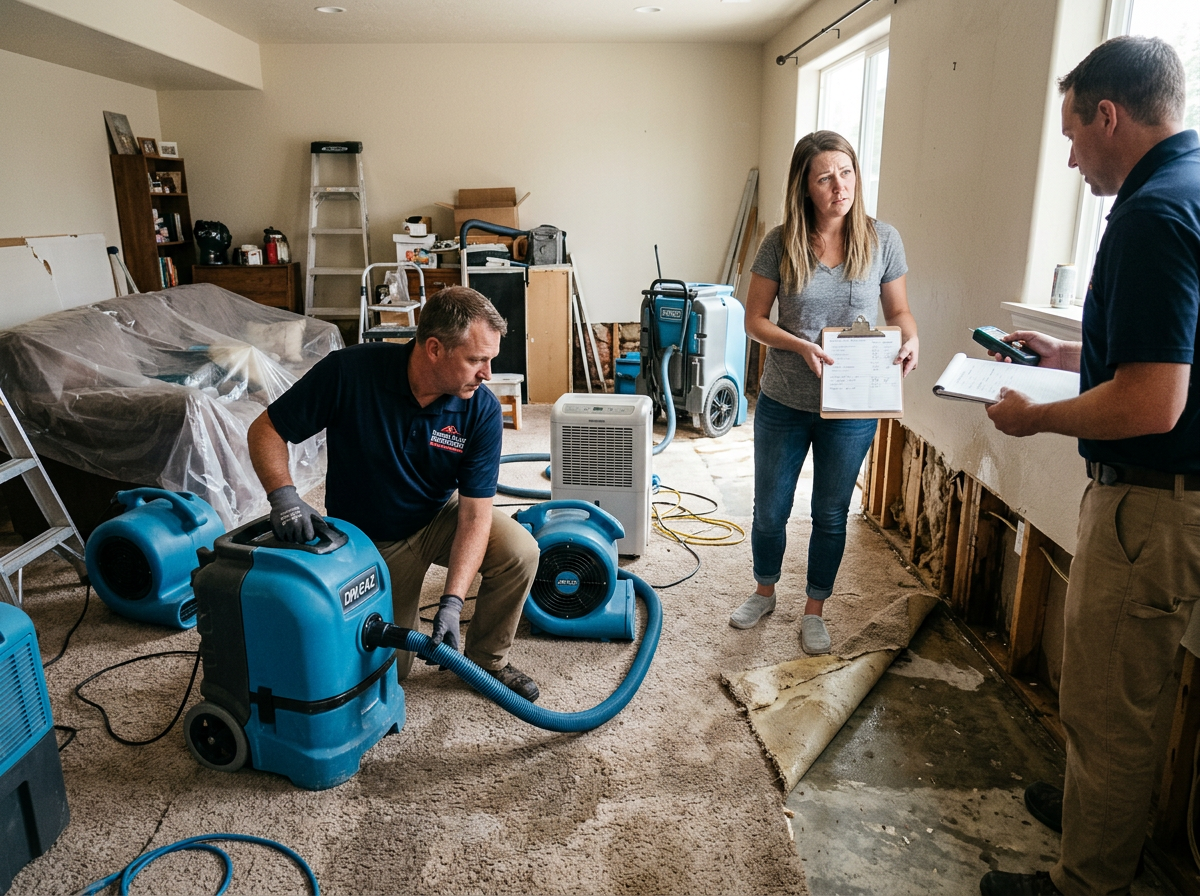
Eagle stands out with its larger, newer homes mostly built after 1993 on shallow crawl spaces fed by pressurized irrigation. During irrigation season these systems often leak or overflow, sending water under living spaces where it stays trapped until extracted. Homeowners here rely on municipal water rather than wells, and the terrain stays flat with good road access from Boise, allowing fast response even on bigger lots.
Unlike mountain towns with seasonal cabins, Eagle properties stay occupied year-round so leaks get noticed sooner. Freeze risk stays low compared to higher elevations, but the combination of newer construction and irrigation infrastructure creates repeat crawl space calls from spring through fall. Technicians familiar with local tract layouts reach jobs quickly via Eagle Road and surrounding connectors without long rural drives.
Work in Eagle focuses on pulling moisture from under slabs and crawls before mold sets in, then drying the space so homeowners can resume normal use. Larger floor plans mean more square footage to monitor, yet the open access on these properties speeds equipment placement compared to older narrow lots elsewhere in the valley.
Around Eagle
We regularly work near:
- 📍Eagle Island State Park
- 📍Eagle High School
- 📍Shadow Valley Golf Course
- 📍Arboretum Park
- 📍The Village at Eagle
- 📍Eagle Road and State Street intersection
Water Damage Restoration in Eagle — Local Notes
- •Newer post-1993 tract homes sit on shallow crawls that fill quickly from pressurized irrigation line failures each summer.
- •Larger lots and wider streets allow easier equipment staging than older narrow subdivisions in Garden City or Nampa.
- •Municipal water supply and low freeze exposure reduce pipe burst calls but increase irrigation-related flooding during the growing season.
- •Short drive from Boise base means arrival often under 30 minutes, limiting secondary damage in occupied homes.