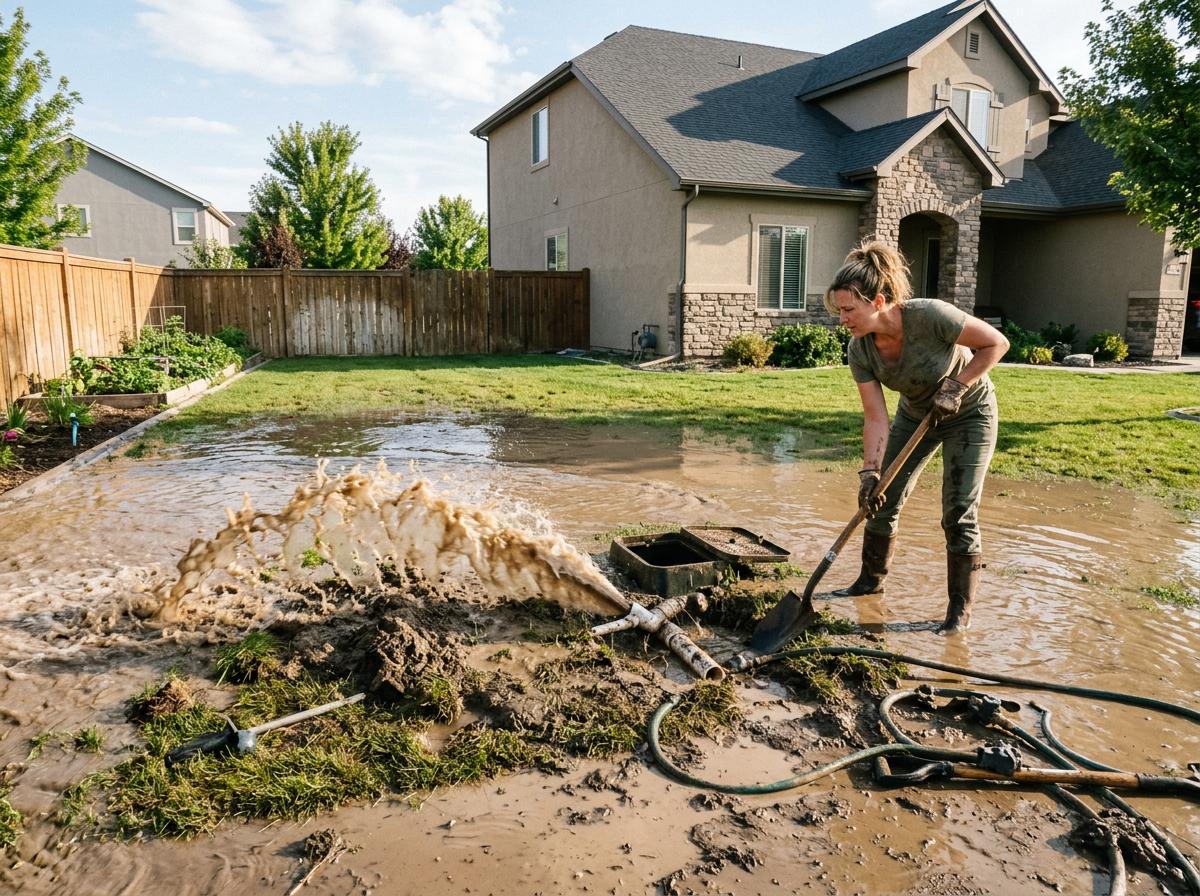
Horseshoe Bend sits on older housing stock with crawl spaces and private wells instead of pressurized irrigation. Winter freezes hit hard here, and many properties sit empty for days, letting small leaks turn into major saturation before anyone notices. Restoration crews coming from Boise face a consistent 40-minute drive each way, so staging drying equipment locally matters for same-day response.
Work in Horseshoe Bend often starts with locating the shutoff on a well system rather than a municipal valve. Tight crawl spaces under 1970s and 1980s homes require low-profile pumps and careful vapor-barrier handling to avoid disturbing septic lines. Seasonal cabins near the Payette River add extra variables when pipes burst during shoulder-season freezes.
Because lots are larger and driveways longer, crews plan extra time for equipment transport and gravel access. Extraction and drying focus on preventing mold in the confined underfloor areas common throughout town.
Around Horseshoe Bend
We regularly work near:
- 📍Horseshoe Bend High School
- 📍Main Street
- 📍Payette River bridge
- 📍Highway 55 corridor
Water Damage Restoration in Horseshoe Bend — Local Notes
- •Older crawl spaces with limited access points slow initial extraction and require smaller equipment.
- •Private wells mean no quick city shutoff, so isolation starts at the pressure tank or main valve inside the home.
- •Hard winter freezes in unoccupied homes can run undetected for days, saturating subfloor insulation.
- •Gravel driveways and longer rural approaches add setup time compared with Boise subdivisions.