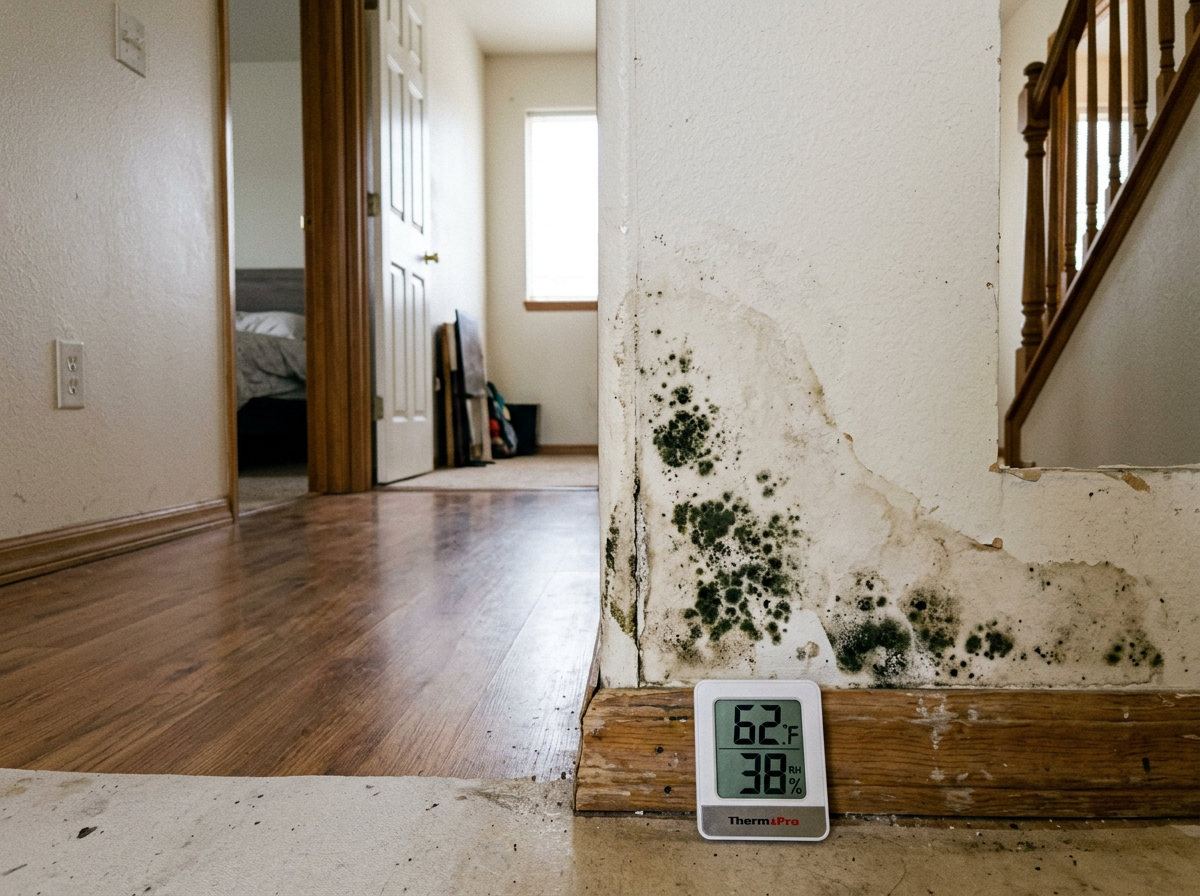
New Plymouth sits on wells and septic systems with older farmhouses and modest lots that lack the pressurized irrigation common farther east. Most homes use crawl spaces rather than slabs, so irrigation runoff or a leaking supply line quickly saturates the soil under the floor. Crews from Boise face a fifty-mile drive that can stretch past an hour, so they stage equipment and plan for single-trip efficiency when they reach the property.
Winter freezes hit hard on the exposed piping typical of these older builds. A pipe that bursts while a family is away for a weekend can flood the crawl space for days before anyone notices. Restoration teams focus on rapid extraction and targeted drying because the tight access under these homes leaves little room for large dehumidifiers or extensive demo.
Because New Plymouth remains a working agricultural community, many jobs involve outbuildings or detached garages in addition to the main house. Drive times and narrow rural roads mean technicians carry extra pumps and moisture meters on the first visit rather than returning to Boise for forgotten tools.
Around New Plymouth
We regularly work near:
- 📍New Plymouth High School
- 📍New Plymouth City Park
- 📍New Plymouth Post Office on Highway 52
- 📍New Plymouth Cemetery on East Road
Water Damage Restoration in New Plymouth — Local Notes
- •Older farmhouses on wells and septic with shallow crawl spaces that flood from supply-line leaks rather than irrigation
- •Long one-hour-plus drive from Boise requires technicians to complete assessment and initial extraction in a single trip
- •Winter pipe bursts common when homes sit unoccupied during short farm-related trips
- •Narrow gravel approaches and detached outbuildings often need separate drying zones