2026-09-03 · Rick Calder
How Fast Mold Starts After Water Damage in Idaho's Dry Air
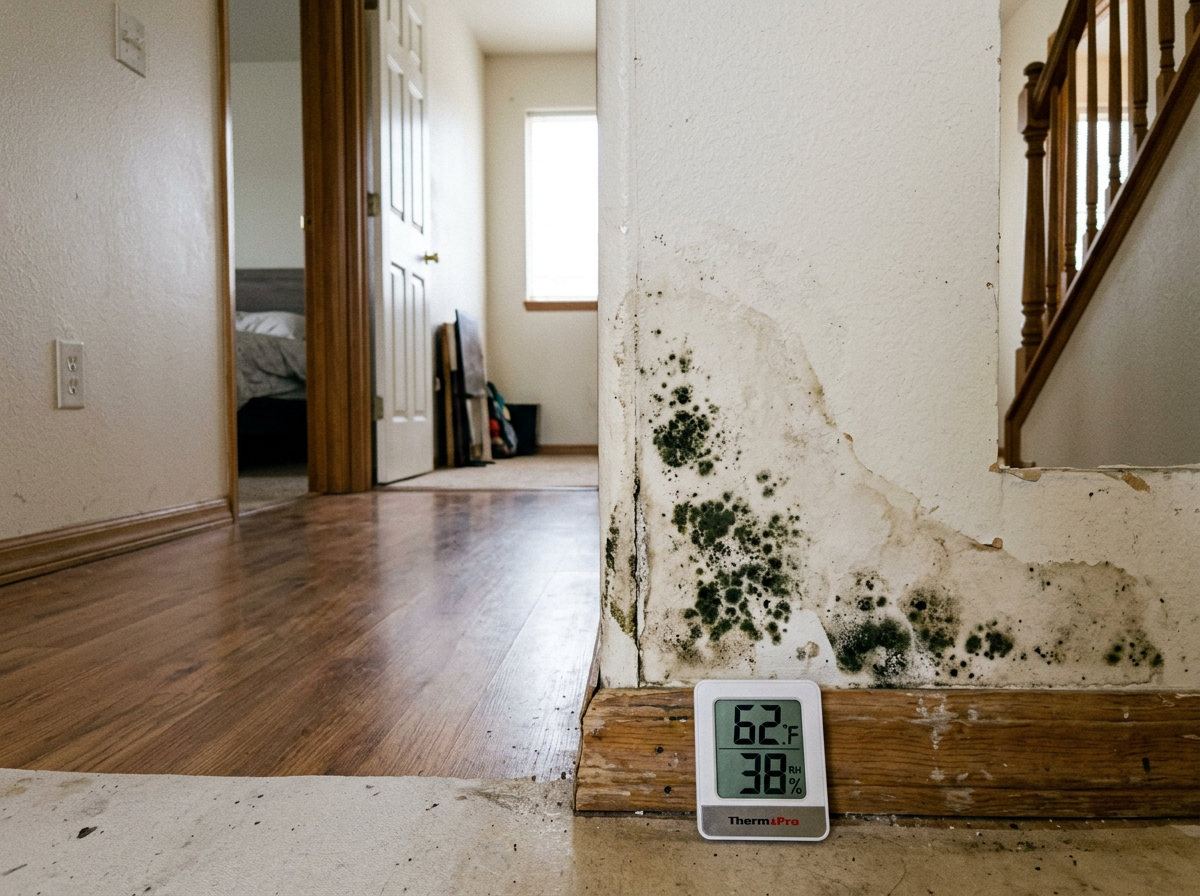
In Idaho's semi-arid air at 2,700 feet, mold can start growing in an enclosed crawl space within 24-48 hours after water enters, because trapped humidity stays high even when outdoor levels sit below 30 percent. The dry conditions speed surface drying yet allow moisture to remain in framing and soil, creating the exact environment spores need once temperatures stay above 60 degrees.
The 24-48 Hour Window Inside Crawl Spaces
Crawl spaces under Boise homes rarely exchange air with the outside, so any water that pools stays put. Pressurized irrigation lines installed after 1993 often leak from shallow back-lot connections between April and October, raising the local water table and pushing moisture upward through the soil. Once relative humidity inside the crawl space climbs past 60 percent, spores that already exist on wood and insulation begin to germinate. The 2,700-foot elevation and low outdoor humidity can make the top of the joists feel dry within a day, yet the underside and any insulation hold water for much longer. Homeowners who notice a musty smell or see damp soil should check the space within the first 24 hours rather than wait for visible growth. Crawl Space Water Extraction removes standing water before that window closes.
How Semi-Arid Air Hides Moisture in Framing
Treasure Valley air at 2,700 feet can drop to 15-25 percent relative humidity during summer afternoons, which pulls moisture from exposed surfaces quickly. The same air, however, does not reach the back of subfloor boards or the soil under the vapor barrier. Water from an irrigation line break or a spring thaw can migrate laterally for several feet before it evaporates, leaving hidden pockets at 70-80 percent local humidity. These pockets stay warm enough for mold even when the house above feels dry. Structural drying and dehumidification equipment is often needed for three to five days to bring framing moisture content below 15 percent. Without it, the 24-48 hour clock keeps running in those hidden areas.
Irrigation Breaks and Freeze Bursts Common in the Area
Many subdivisions around Meridian and Nampa rely on pressurized irrigation that runs from April through October. A pinhole leak in the shallow back-lot line can release several hundred gallons before it is noticed, saturating the crawl space soil. In winter, unoccupied mountain cabins near Idaho City or Lowman often experience pipe bursts that are discovered only after the thaw. Both situations deliver water into spaces that stay enclosed for weeks. The dry outdoor air masks the problem until someone smells mold or sees warped flooring. Checking irrigation valves monthly and draining cabin lines before freeze-up reduces the chance of water sitting long enough to trigger growth.
Practical Steps When Water Is Found
Measure moisture in the crawl space with a meter rather than relying on how the air feels. If readings exceed 16 percent on wood, increase ventilation and run a dehumidifier sized for the space volume. Remove any wet insulation within the first day and dispose of it. For leaks tied to irrigation, locate the shutoff at the street before attempting cleanup. Frozen Pipe Burst Cleanup addresses the source while Structural Drying and Dehumidification handles the aftermath. Readers who want cost ranges for these steps can review What Water Damage Restoration Costs in the Treasure Valley.
Short Practical Takeaway
Act inside the first 24 hours by locating the water source and removing standing moisture. Dry air outside does not protect an enclosed crawl space once humidity inside rises. Consistent checks after irrigation season or spring thaw keep the 24-48 hour window from becoming a mold issue.