2026-09-03 · Rick Calder
What Water Damage Restoration Costs in the Treasure Valley
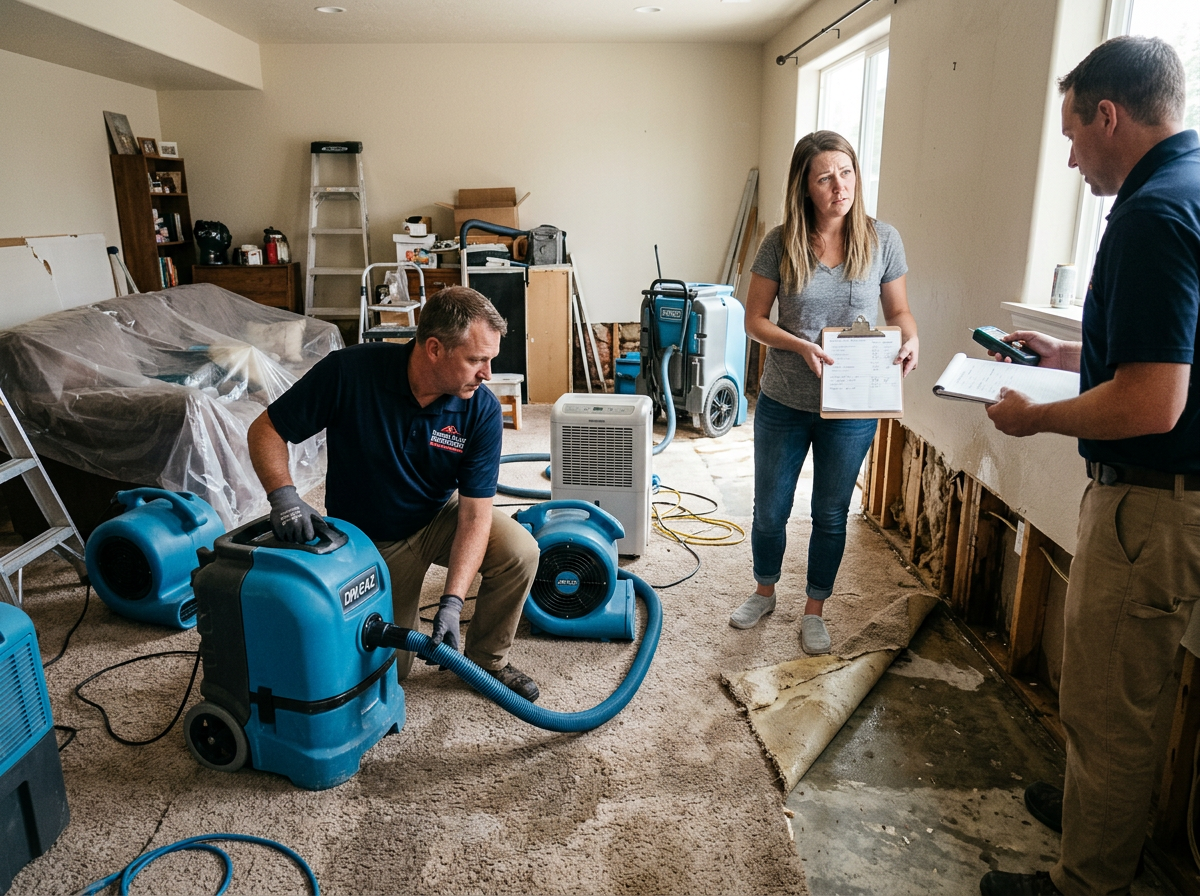
Water damage restoration costs in the Treasure Valley typically range from $800 to $5,000 for residential crawl-space jobs. Smaller irrigation leaks often land at the low end while larger pipe bursts or multi-day events push toward the higher end. These figures cover extraction, drying equipment, and basic cleanup but exclude mold remediation or major structural repairs.
Common Water Sources and Their Cost Impact
Pressurized irrigation lines fail most often between April and October in post-1993 subdivisions where shallow back-lot pipes sit close to the surface. A single break can release 200–400 gallons before discovery, requiring targeted irrigation line break cleanup that usually totals $1,200–$2,800. Frozen pipe bursts appear on the first thaw in mountain cabins left unoccupied; these jobs frequently reach $2,500–$4,200 because water travels along joists and soaks insulation. Shallow water tables raised by irrigation season add another layer, as groundwater seeps back into the crawl space within days. Each source changes both the equipment needed and the hours required on site.
Typical Drying Times and Equipment Needs
Treasure Valley air at 2,700 feet dries surface moisture quickly, yet enclosed crawl spaces hold 60–70 % relative humidity against framing for days. Technicians run air movers and dehumidifiers for 3–7 days on most jobs, with daily moisture readings logged until wood moisture content drops below 12 %. A 1,200-square-foot crawl space may need six to eight machines drawing 15–20 amps continuously. Homeowners in Meridian or Nampa often see power costs of $60–$120 added to the bill. Monitoring visits occur every 24–48 hours because mold can begin growing inside that window once humidity stays elevated.
How Square Footage and Access Affect Price
Crawl spaces under 800 square feet usually cost $800–$1,800 for extraction and drying when water is limited to one quadrant. Larger footprints or those with low clearance require more time to move equipment and place sensors, adding $400–$900. Homes in Eagle or Kuna with finished floors above the crawl space increase labor because technicians must protect carpet and hardwood during access. Every extra 500 square feet of affected soil or framing raises the total by roughly 25 %. Quotes always list these variables so owners can compare line items before work starts.
When Additional Services Change the Total
If water sits longer than 48 hours, mold remediation may be required and adds $1,500–$3,500 depending on square footage. Sewage backups from irrigation cross-connections push costs higher still because of biohazard protocols. Structural drying and dehumidification alone for a moderate event runs $900–$2,200. Readers who want deeper detail on irrigation failures can review the post on pressurized irrigation line breaks or the article covering frozen pipe bursts in Boise crawl spaces.
Practical Takeaway
Call for an on-site assessment before any drying begins so the scope and price are clear. Written estimates list equipment counts, daily rates, and expected duration so surprises stay minimal. Focus on stopping the source first, then drying the space thoroughly within the first 48 hours.